

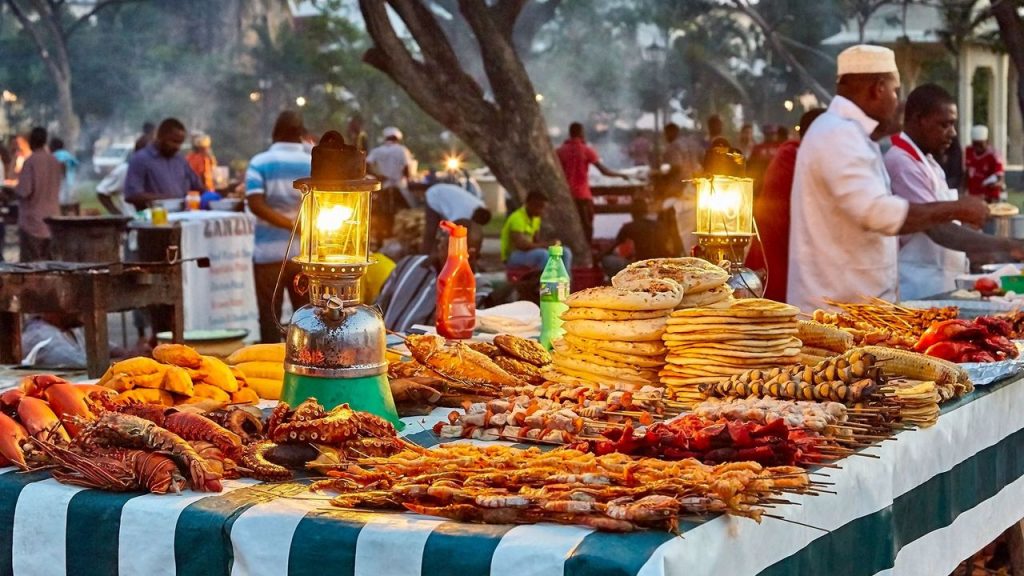




Zanzibar pizza is not a pizza as you know it. It is a thin dough fried with egg, onion, maybe beef or vegetables, folded and cut. You eat it hot, dripping, sometimes with chili sauce. Tourists smile because it feels playful, locals enjoy because it fills.
Sugarcane juice rolls out of machines, pressed with ginger or lime. It tastes sharper than you expect, light enough to carry through heat. Roasted corn appears in evening lanes, brushed with salt water, each bite crunchy, smoky, simple.
Urojo, or Zanzibar mix, is harder to describe. A thick soup or sauce of mango, tamarind, spices, with fritters, potatoes, egg, sometimes meat. It sounds chaotic. It tastes balanced. The tang, the heat, the crunch—it stays in your memory.
Breakfast might come with a mandazi, triangular fried doughs soft inside, crisp outside, often eaten with tea spiced with cardamom. This may look like a simple combination but, its worth trying.
Lunch: Consider trying biryani, rice cooked with meat or fish, layered with spice, served with salad or chutney. Each cook adds a touch. Some serve more heat, others soften with coconut milk.
Dinner: Try Coconut fish curry. Tender fish in thick sauce, ladled over rice. The coconut cools the spice, balances it, and makes each bite smooth. That is the dish many travelers talk about on flights home.
Halwa, sticky and sweet, flavored with cardamom or nutmeg, comes in small slices. It is dense, chewy, and paired with tea. Kashata, brittle made with peanuts and coconut, cracks between teeth. Fruits end many meals—mango, pineapple, jackfruit, or bananas so sweet you wonder if they grew differently here.
Every dish feels like a trade route. Pilau from Indian influence, curry from Persian and Indian traders, bread and sweets with Arab touch, coconut and tropical fruits from the island itself. Zanzibar food is geography you can taste.
You sit in a café and order spiced coffee. The first sip holds clove, ginger, cinnamon. You imagine dhows unloading sacks centuries ago. You realize you are not only drinking coffee, you are drinking the memory of arrivals and departures.
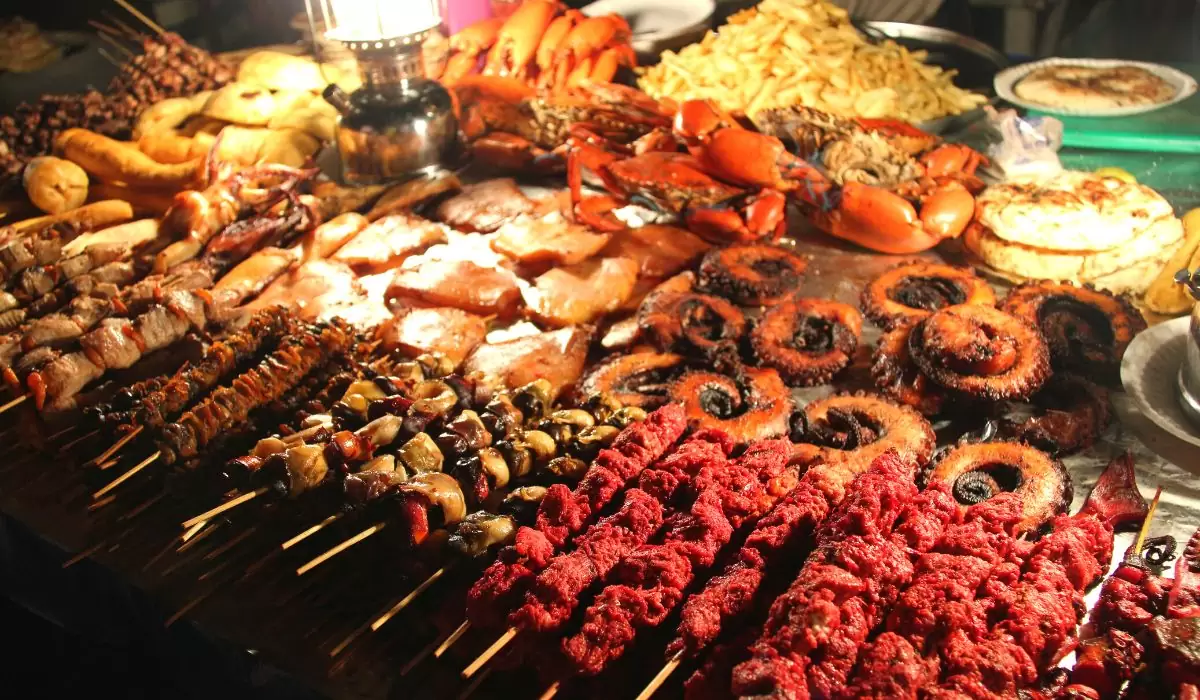
Markets show you freshness. Darajani in Stone Town is loud, busy, and full of fish, meat, spice piles, and fruit stacks. You see where meals begin.
Street stalls give you flavor fast. Forodhani Gardens at night is a theater of food. Stalls line up, fires spark, choices overwhelm. That is where many visitors try Zanzibar pizza or skewered seafood for the first time.
Restaurants balance tradition and presentation. You can sit on a rooftop and eat pilau with the city spread below, or in a beach café with grilled fish fresh from water you swam in an hour before. Both count as Zanzibar food.
You will remember the sound of oil frying, the surprise of tamarind in soup, the smell of clove on your fingers after holding spice at a farm. Food becomes the anchor of your trip. You think you came for beaches or doors, and then you realize what you describe to friends back home is a plate of pilau or a slice of halwa.
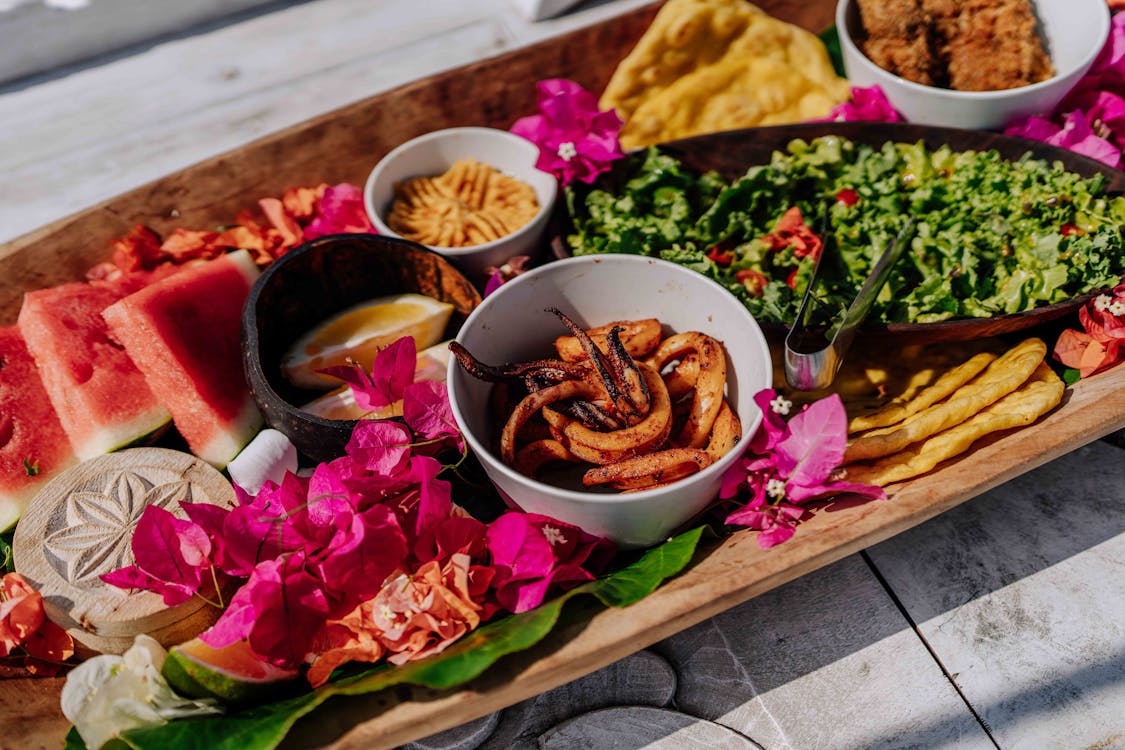
Morning: Tea with mandazi at a café near the market. Light, warm, spiced.
Afternoon: Biryani with fish in Stone Town, followed by fruit from a stall—pineapple sliced in front of you.
Evening: Forodhani Gardens, skewered octopus, Zanzibar pizza, sugarcane juice. Sweet, smoky, filling. End with halwa before walking back through lit lanes.
That day alone tells the story of Zanzibar food without guides or books.
We understand you can not just come up to here for food. There is more you need to explore but just incase Zanzibar food is part of what draws you, let us shape your meals around the places and people who know them best.
Share your taste preferences, and we will plan a route where every plate adds to your journey, not just fills your day.