

You plan your trip, then one question sits in your mind. Is Zanzibar safe for travelers?
You want an honest, calm answer that helps you move with confidence. The short version, yes, Zanzibar is safe for most visitors when you follow simple street sense, choose trusted transport, respect local norms, and keep small habits that protect your time and belongings.
The island and it’s inhabitants depend on tourism and hospitality. People are warm, welcoming and helpful if you are nice to them.
Safety here feels practical. Use the same care you would in any popular destination and you will be fine.
Stay aware in crowded areas, keep valuables out of sight, and book reputable guides and drivers. You will walk Stone Town’s lanes, ride the ferry, swim on quiet beaches, and eat late on the seafront with comfort. That comfort grows when you know what to expect and what to avoid.
In Stone Town, mornings start slow. Shops open, kids head to school, cats patrol the lanes like old friends. You stroll with a coffee, greet a shopkeeper, and feel welcome.
Evenings on the seafront bring families, food stalls, and laughter. On the north and east coasts, beach paths feel open and relaxed. Just like in any other places, most trouble comes from small thefts of phones or bags left unattended.
You prevent that with one simple habit. Keep valuables on you or locked at your hotel.
Night walks are fine on main routes but to be even safer, you reduce risk when you stay on lit streets and avoid very quiet alleys after midnight.
Taxis are easy to arrange and cheap compared to the cost of losing a phone or a mood. If something feels off, change direction or step into a shop.
Unlike other places, here people will help if you ask.
These are small, manageable issues and all you need to do is just be a little more careful and boom, you have the solutions to most of them but should you need help, there is Tourism police and any other police is happy to help.

By day, Stone Town is outgoing. Keep your phone in your pocket between photos, stay aware at busy corners, and enjoy the lanes.
By night, stick to the main arteries between popular restaurants, the seafront, and your hotel. If your route looks dark and empty, take a taxi.
Dress modestly in town, especially near mosques and markets. A light cover for shoulders helps. Politeness opens doors and gentle greetings go a long way.
When you are in beach areas and resort zones like Nungwi and Kendwa in the north are more lively, with safe swimming and crowds into the evening. Paje and Jambiani on the east feel slower and windier. Beach paths at night can get dark in stretches. Use a torch on your phone, stay on known paths, and move with a friend after late hours. Lock your room and use the safe. Do not leave phones on beach chairs while you swim. Place them in a dry bag or keep them in your room.
When in a taxi
Taxis and hotel drivers are the most reliable choices, day and night. If you rent a car, drive calmly, expect speed humps, goats, and bikes, and avoid night driving outside town.
If you ride a dala dala because you want the local feel, keep pockets zipped and hold your bag close. On the ferry, arrive early, follow crew directions, and keep your passport and phone secure during boarding and disembarkation.


Water, boats, and reef sense
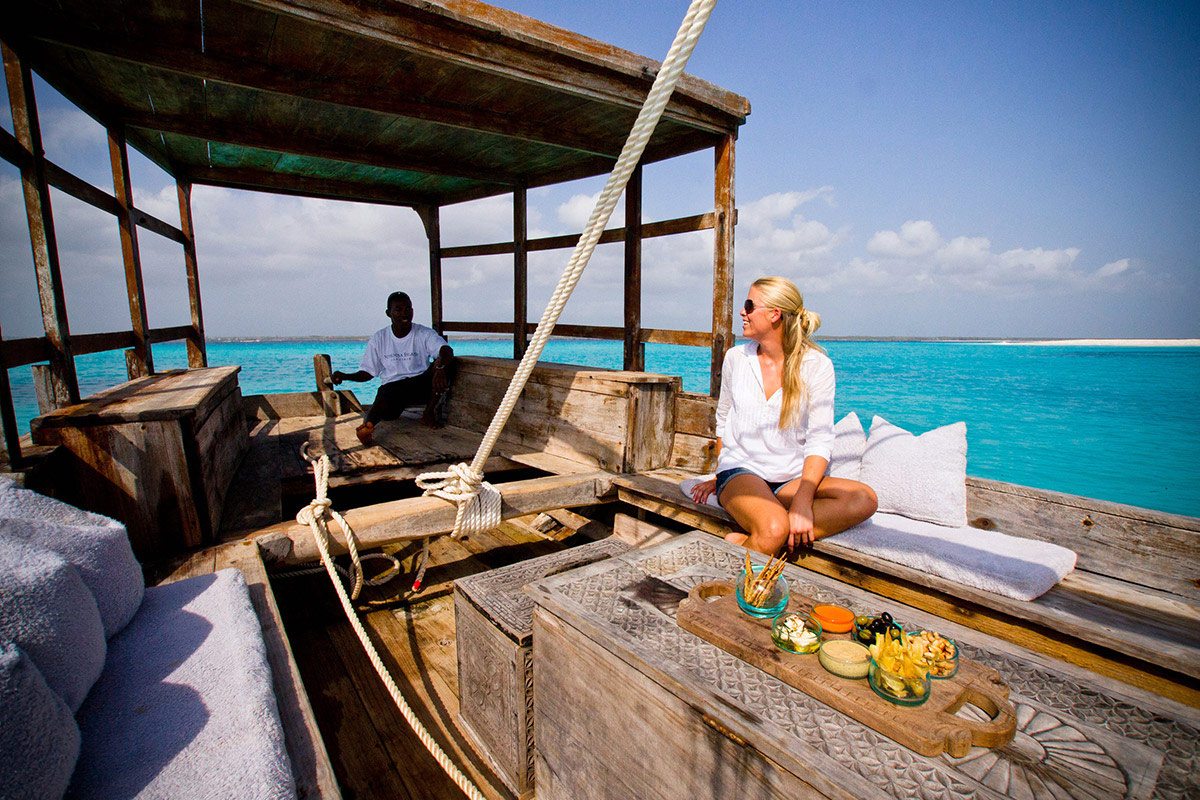
The sea looks friendly, and most days it is. Still, you respect it. Ask about tides before long beach walks on the east coast.
If you snorkel or scuba, choose operators who brief clearly and carry safety gear. Wear reef-safe sunscreen. Use water shoes on shallow reef flats to avoid cuts.
If the waves feel strong and intimidating, move closer to shore or switch beaches. There is always a calmer spot somewhere on the island.
Zanzibar is tropical, warm, and humid. Heat and sun tire you faster than you think. Drink water often and always stay hydrated.
Use sunscreen. Take shade breaks. Eat at clean, busy places. Wash hands or use sanitizer before meals. Carry a small kit with pain relief, rehydration salts, and bite care.
If you feel unwell, inform your hotel and ask for a recommended clinic. Buy travel insurance that covers medical and evacuation, even if you never use it. It buys calm.

Zanzibar is majority Muslim and when you respect that, it brings kindness. Dress modestly in Stone Town and villages.
Swimwear belongs on beaches and at pools, not in markets or on city streets. Ask before you photograph people. Greet shopkeepers. Learn a few words like “asante” and “karibu.” During prayer times, keep volume low near mosques.
These small choices improve safety by building goodwill.
Solo visitors do well here. Choose central hotels in Stone Town, use taxis late, and join day tours for social time. Share your daily plan with a friend at home.
Wear a money belt or keep a backup card separate from your main wallet. If anyone’s attention feels unwanted, step into a shop or approach a family or staff member and say, “Please help.” People will.
Dress codes are flexible at resorts, modest in town. A loose top and light trousers work well in Stone Town. Walk with purpose, ignore minor comments, and pick main routes after dark.
Order a taxi from your hotel or restaurant when you finish dinner and wait for ot to come before you leave. Book female guides if you prefer. Staff will arrange this when you ask.
Avoid public displays of affection, of any kind, can draw attention in conservative areas. Keep affection private in towns and villages but to be safe, keep it in closed doors.
Book hotels known for good service and discretion, use licensed guides, and focus on shared experiences like food tours, sailing, and diving where community vibes are positive.
Safety grows from low-key, respectful presence.
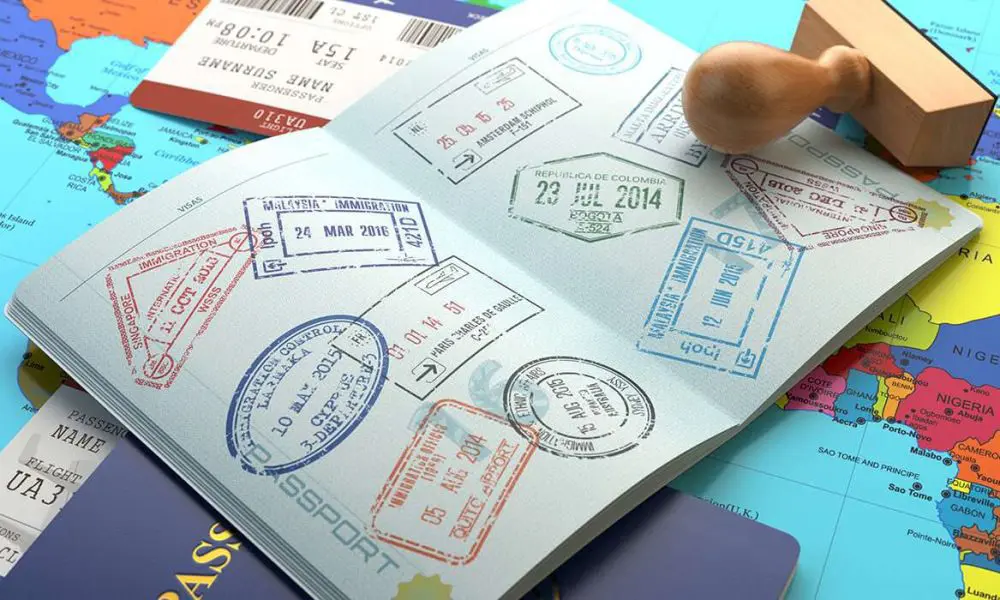
Carry a mix of card and cash. Use hotel safes for passports and backup cards. Keep a photo of your passport in your phone.
Do not flash large bills in markets. If you take out your phone for navigation, step to the side and plant your feet. Crowds are where drops and grabs happen.
A cheap cable lock for a suitcase can deter casual tampering in shared spaces.
Most offers are genuine. If a deal feels too good, step back. Common angles include tour prices that exclude key costs, souvenir swaps, or late add-ons for “port fees” that no one mentioned.
Your reply is simple. Ask for the total price, in writing if possible, before you agree. Pay deposits through your hotel or a known office. If someone pressures you to book on the spot, smile and say you will decide tomorrow. Pressure usually fades.
Save key numbers in your phone. Add your hotel, your driver, and your insurer’s assistance line. Know your hotel address in case you need to tell a taxi quickly.
If you lose a passport, call your embassy and your guide. If you need a clinic, ask your hotel to call ahead so they expect you. Moving early solves problems faster than waiting.

Hospitality is strong. People notice when a traveler looks lost and will point you the right way. Hotel staff check weather and can advise on tides, roads, and events. Licensed guides carry local knowledge that saves you time and avoids small risks. When you ask for help, you get it.
That community support is part of why visitors leave with good stories.
Very late nights in empty alleys. Beach walks with no one around after midnight. Carrying phones loosely in crowds. Leaving bags on chairs while swimming. Renting scooters without helmets. Drinking hard and wandering. You avoid these, and your trip stays in the easy zone.
If you want safety to feel natural rather than like a checklist, let Serengeti Lions Safaris set your routes, transfers, and trusted guides.
We match you with drivers and hosts we know by name, share tide and wind notes, and position your hotel choices where comfort meets culture. Tell us your dates and travel style.
We will send a simple plan that keeps you secure without clipping your freedom.