
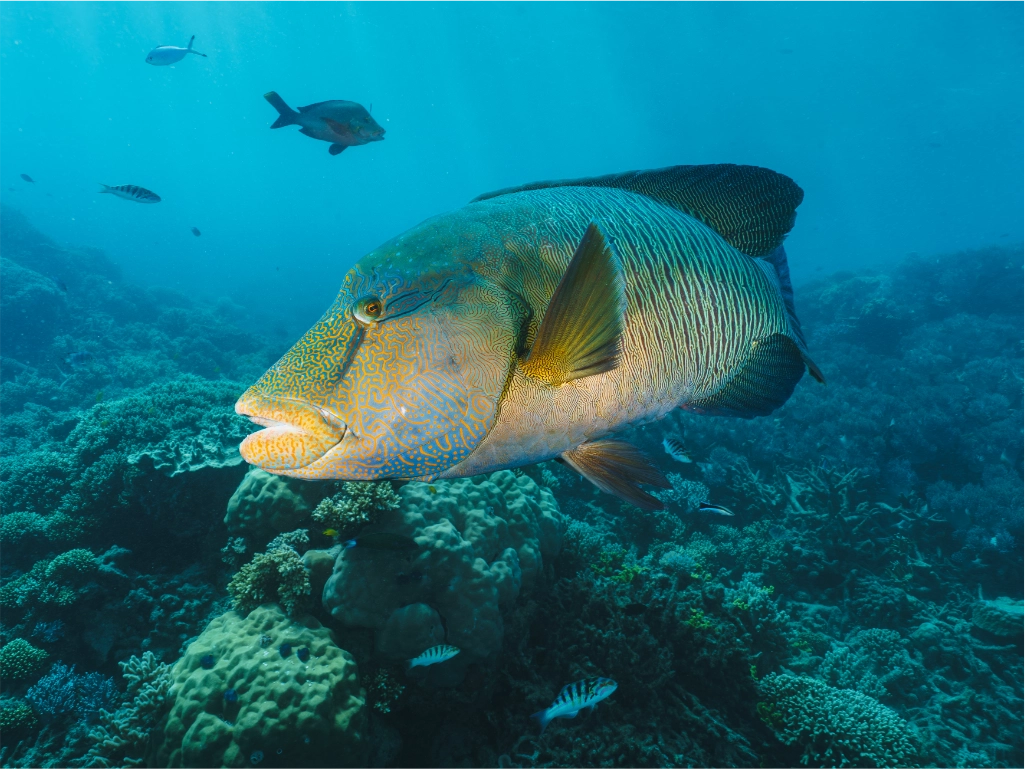
When you stand on a pier in Zanzibar and look into the water, you do not just see blue. You see movement, flashes of silver, stripes of yellow, the sudden dart of something small and quick.
Zanzibar fish species are as much part of the islands’ story as the spice and the stone doors. The sea holds variety that feels endless. You will not meet all of them, but you will meet enough to tell a story when you go home.
Close to shore, shallow lagoons hide fish that blend with sand. Reefs further out bring bolder colors. Deep waters beyond the atoll lines carry large pelagic species, the kind fishermen chase at dawn. Each zone offers a different cast. You do not need to dive deep to find life. Even with a snorkel you see more variety in one hour than you might in years back home.
Reef fish you meet first
These are the ones you will likely remember from your first snorkel trip to Mnemba or Chumbe.
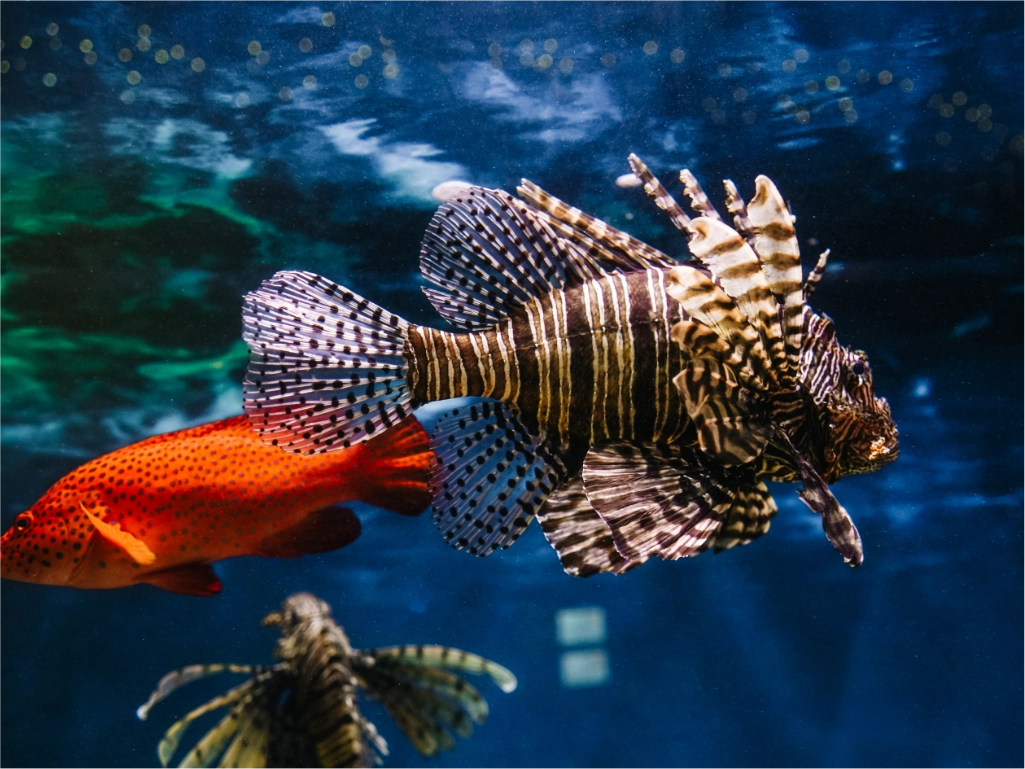
Fish that feed the island
Some of the most common Zanzibar’s daily catch ehat truly exhibit what matters to tables as much as to divers.
Markets show this variety early in the morning. Darajani market in Stone Town smells of salt and fire, piles of fish laid on wooden boards, men calling prices, women choosing dinner.
If you go further out, the sea gives you bigger shadows. Sailfish, with long bills and blue fins that break the surface. Barracuda, sharp-jawed and fast. Dorado (mahi-mahi), green-gold and strong fighters. In season, tuna schools pass, and boats follow them.
These are not everyday sights for most travelers, but they remind you the Indian Ocean runs deeper than a lagoon.

When most travelers hear Zanzibar, they picture beaches, reefs, and spice. Yet the islands carry more than fish and palms. Other Zanzibar wildlife gives texture to your days. It lives in forests, mangroves, skies, and even on the edges of villages.
You will not see lions or elephants here, but you will meet monkeys, duikers, butterflies, and birds that feel just as special in their setting. The scale is smaller, the rhythm gentler, and the encounters sometimes surprising.
Monkey species
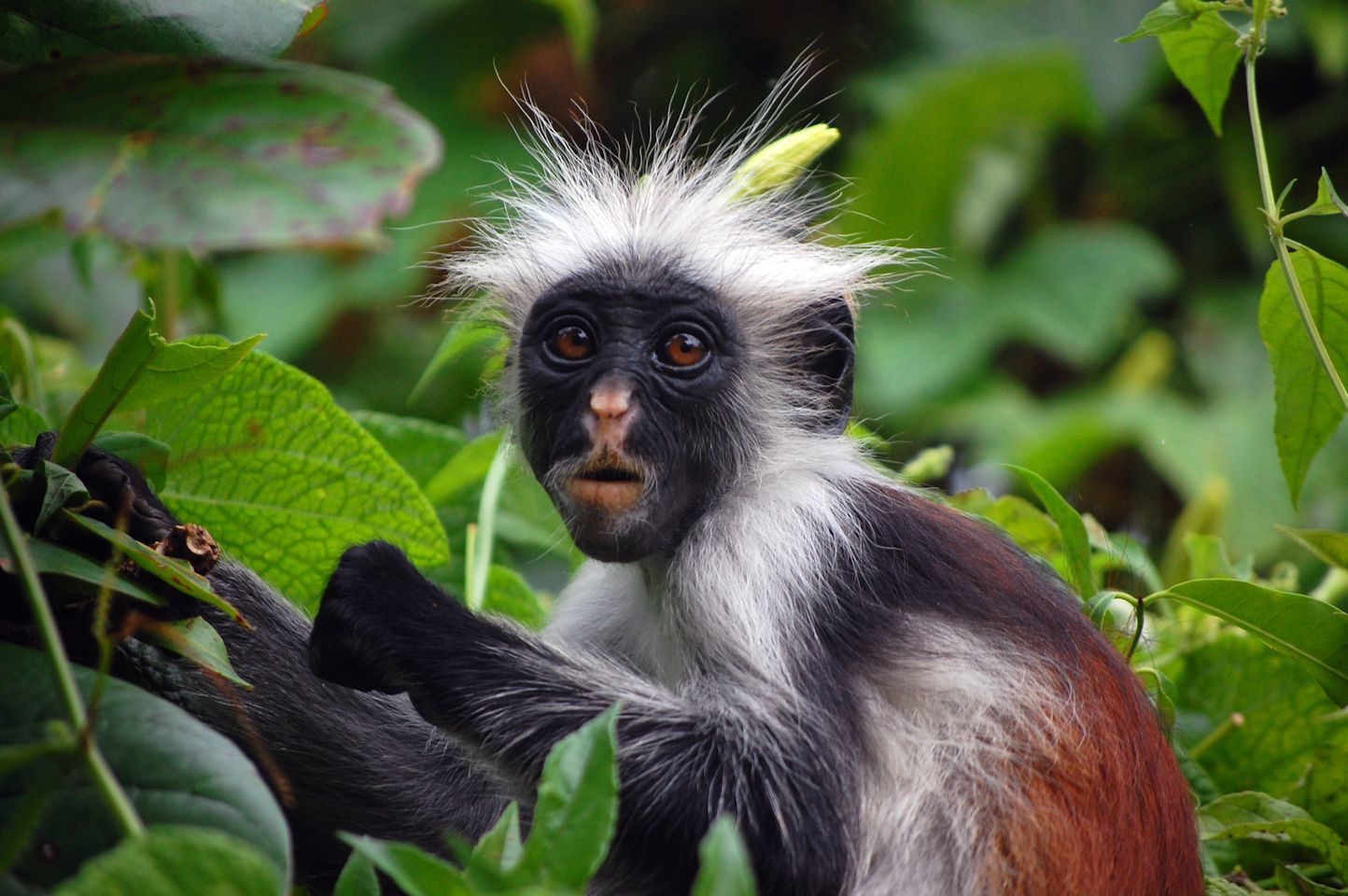
Yes, Zanzibar has Red colobus monkeys that are considered the island’s emblem. Found mainly in Jozani Chwaka Bay National Park, they move in groups, their coats rusty and white, tails long and light. They sit on branches like neighbors watching the street.
You see them grooming, feeding, or staring back at you as curious as you are. They exist nowhere else in the world. That is reason enough to walk the shaded boardwalk of Jozani.
Sykes’ monkeys also live in Zanzibar’s forests. Darker, shyer, and often glimpsed in quick moves, they balance the more playful colobus. Travelers often notice both species in the same day. The contrast helps you remember them longer.
Antelope on an island
Few expect antelope here, yet Zanzibar holds the tiny suni antelope and the rare Zanzibar duiker. The duiker is shy, often seen at dawn or dusk in thicker forest.
Its presence proves the island still holds wild heart despite small size and human pressure. If you step quietly on a guided forest walk, you might see one slip between shadows.
Birds that change your sky
Zanzibar welcomes over two hundred bird species, some resident, some migrants. You notice common ones first. White-throated bee-eaters flash green and chestnut, moving fast above fields. Yellow-collared lovebirds chatter in trees with their bright plumage. In mangroves, herons stalk with patience. Offshore, terns and frigatebirds wheel above fishing dhows. For birders, Zanzibar adds variety to a Tanzania trip already rich with wings. For casual visitors, the call of a sunbird at breakfast lingers.
Reptiles and the slower world
Reptiles add their own quiet layer. Giant tortoises live on Prison Island, some said to be over a century old. They move slow, shells heavy, eyes patient. Children often remember them as the highlight of a day trip.
Chameleons hide in bushes, shifting colors slowly. Harmless geckos cling to walls in Stone Town guesthouses, eating insects at night. They feel like housemates after a few evenings.
Insects and butterflies
Butterflies in Jozani and rural farms bring flashes of yellow, blue, and white. They rise when you disturb grass and follow sunlit clearings. Dragonflies hover over rice fields and wetlands. Mosquitoes exist, though in smaller numbers along breezy coasts. You protect yourself with repellent and nets in inland lodges.
Wildlife of the water’s edge
Between tide and forest, mangroves host fiddler crabs waving claws, mudskippers flopping between worlds, and small fish darting with the tide. These creatures feel minor until you watch them up close. Then you realize they animate whole ecosystems. A short mangrove boardwalk walk reveals how many lives fit in one square meter of mud.
Zanzibar wildlife faces pressure from farming, fishing, and urban spread. Parks like Jozani offer protection, and community projects teach balance between livelihoods and nature.
By paying entry fees, hiring local guides, and respecting rules, you support these efforts. A monkey photo or a butterfly trail is never free—it is built on conservation choices.
If Zanzibar fish species are what draw you, Serengeti Lions Safaris will set you up with guides who know reefs by heart, fishermen who explain the catch, and conservation areas where you can swim in calm water full of life.
Tell us if you prefer snorkeling, diving, or market visits, and we will design a route where each moment with the sea feels personal.