
You arrive in Stone Town and the word that circles your mind is simple, History. Not the textbook kind. The kind you feel under your shoes, in the cool alley shade, in the clove scent that lingers on wooden doors.
You want the past to feel close enough to touch. History makes that possible here, even if you do not know where to start. You hear a call to prayer in the distance and a bicycle bell nearby. That mix tells you something. History lives in the small sounds as much as in the big stories.
You are not here to memorize dates. You want to picture the people, the choices, the trade winds that pulled ships across the ocean and tied them to these coral rag shores.
Zanzibar History is your lens, and Zanzibar is the subject. The island offers contradictions. Beauty and profit. Freedom and loss. Elegance and struggle. You can hold more than one truth at the same time. Most places ask you to pick a single story. History on these islands refuses to be simple.
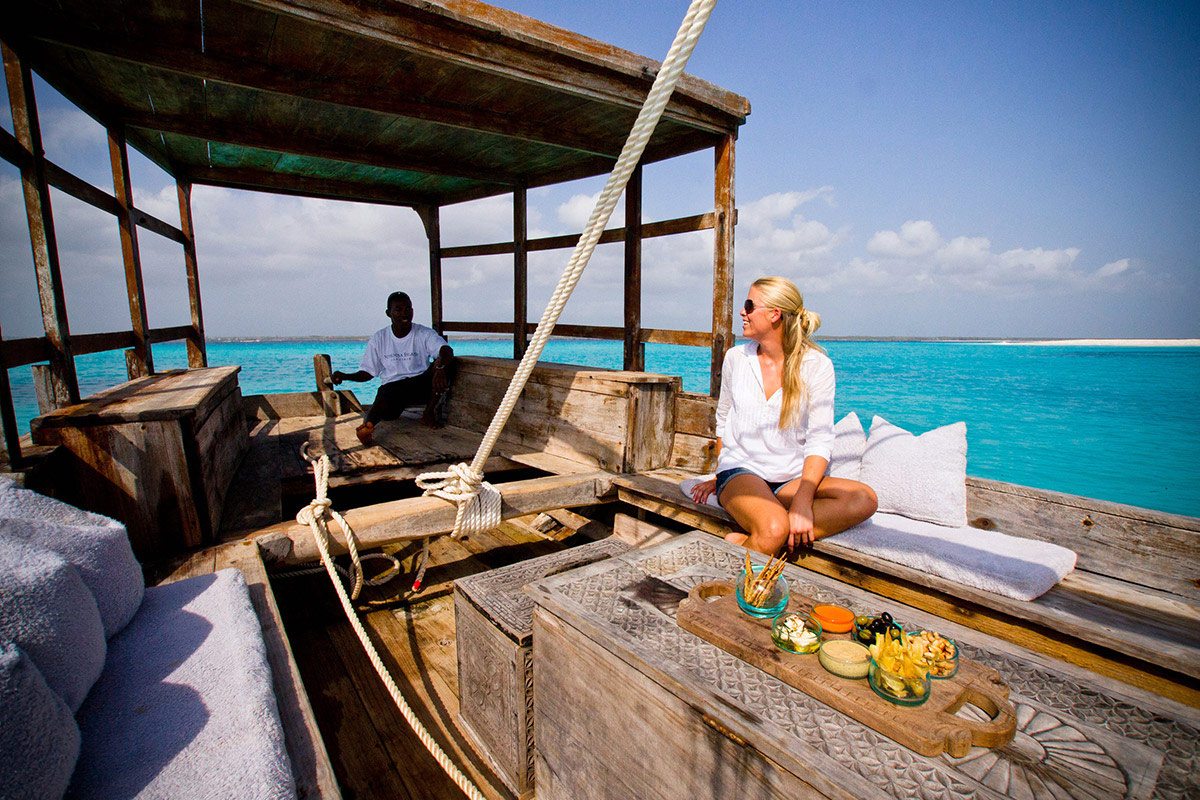
Stand by the harbor and watch the light change on dhows. Now imagine the same view a thousand years ago. Sailors from the African coast, the Gulf, and the wider Indian Ocean reached this harbor with cargo and news.
The shoreline learned to welcome strangers. Families traded coral stone for homes that could breathe in heat and salt. Markets grew where voices mixed. You hear Swahili today and it feels natural because this coast learned to speak in many accents.
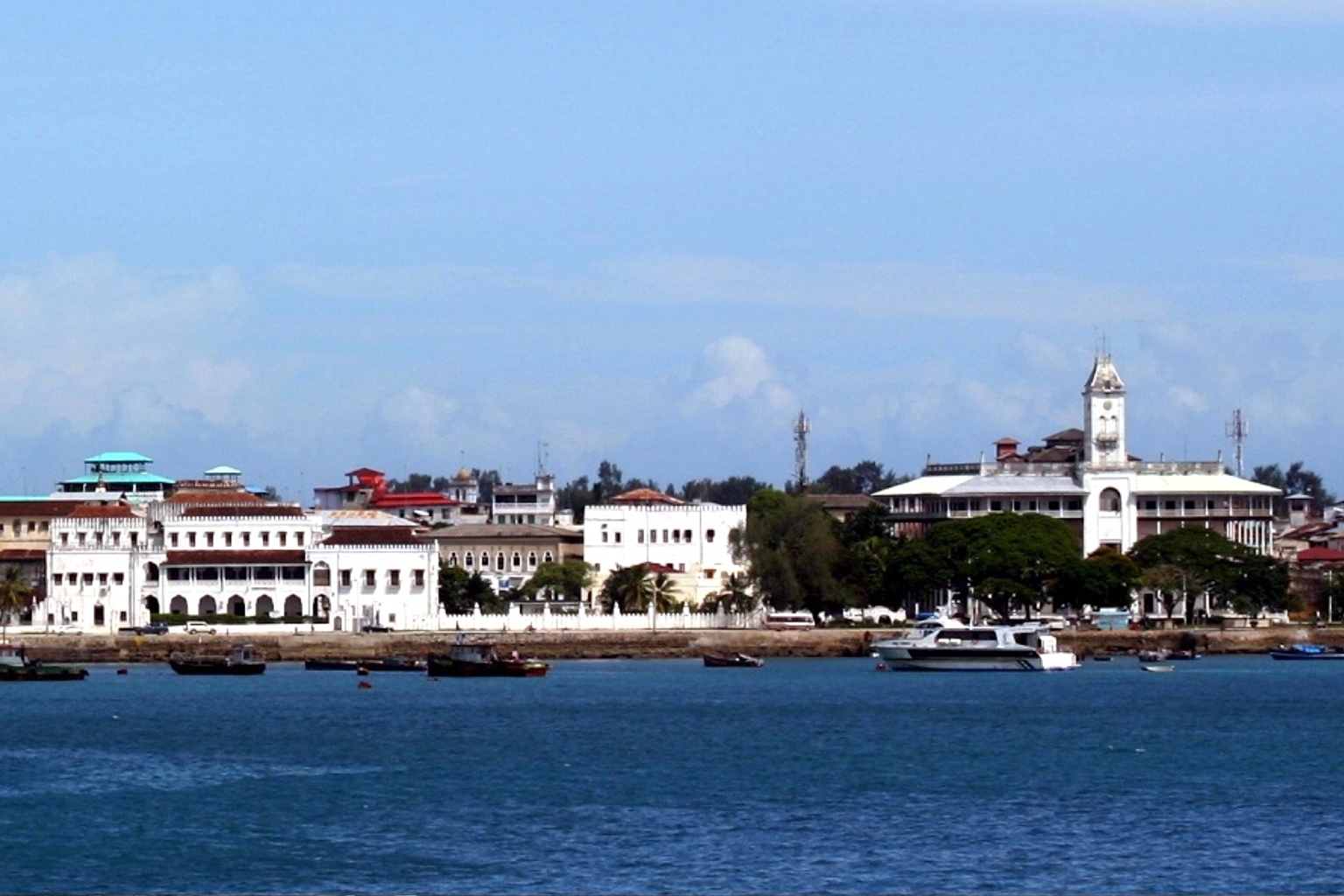
Zanzibar is a land of history and you will witness tis as soon as you arrive at Stone town. History does not feel distant here, it sounds like conversation.
Perhaps you picture the first time someone saw a clove tree on these islands. They touched a leaf, brought it near the nose, then smiled. Small decisions like that changed everything. A farm became an estate. A coast turned into a spice name known far from Africa.
You feel that chain of decisions when a guide crushes a clove bud in your palm during a spice tour. The scent rises fast. Memory does the rest.
Walk any lane in Stone Town and look at the doors. Brass studs. Deep carvings. Arched frames. Doors explain status, craft, and taste. You do not need a plaque to read them. A grand door announces a family that made its wealth from trade, spices, or the older markets no one wants to romanticize.
The city grew on exchange, including the trade in human beings. That is not comfortable, and it should not be.
You hear the names that shaped a century. A sultan who favored these islands and moved a court here. Merchants who saw opportunity in every season.
Scholars who wrote in the cool of verandas while monsoon winds shifted direction. The city learned to bend with seasons. Summer welcomed one set of winds, winter another. History here feels like a tide. It leaves patterns, then erases, then writes again.


Step into a former holding cell at the site where a cathedral stands today. The air feels heavy. You do not need a guide to tell you how to feel, yet a good one will pause, then offer context.
You stand, you listen, you imagine the faces that never saw sunlight again on these lanes. History teaches with beauty and with warning. Both lessons matter.
You exit and the world opens. School kids walk by with laughter. Life continues, as it should. You carry the weight for a few more blocks, then a breeze cuts across a lane and the island reminds you it also holds joy. The contrast is real. You will feel it more than once.
If you like quirky stories, the Zanzibar History gives you one. A brief conflict, that asted just 39 minutes, exploded around the palace at the end of the nineteenth century. A shell, a fire, a surrender before the hour turned.
You stand on the waterfront and try to picture warships where tourist boats sit now. It feels surreal. Yet it happened. History here stacks big global currents next to very local moments.
When you tell friends about your visit, you will drop this little fact and watch eyes widen. Not because of drama, but because history can be sharp and short. A reminder that power can shift before tea cools in a cup.
Move forward in time to the mid twentieth century. Streets filled, voices rose, and the islands faced their own turning. A revolution changed who held authority. For some, it felt like justice long delayed. For others, it felt like a world turned inside out.
You do not need to take a side to understand its scale. History changed the script. Soon after, the islands joined with the mainland to form a new national story. You still feel both identities when you buy fruit at the market or watch football in a café. Island and nation, both present.
If you stay long enough, you pick up small cues. People refer to before and after with a glance more than with a full sentence. The present keeps the peace, the past keeps the memory. You notice this when a local guide wraps up a story a little faster than you expected. Some things are better felt than explained.

A city can be a museum without turning static. Stone Town manages that balance. Coral limestone walls breathe. Balconies lean toward the street as if they want to hear your gossip. Cats know every shortcut. You walk, get a little lost, then find yourself by the sea again.
If you look closely, Zanzibar History hides in plain view. A black-and-white photo on a café wall shows a street you just walked. The image looks older, the vibe looks the same.
Spice farms and small stories that stick
History often hides in the smallest scenes. A farmer pulls a cinnamon strip from bark and your hand rises to take a piece without thinking. A young guide laughs at your face when the scent hits. Later, you open your bag and the whole room smells like pastry. You try to remember the guide’s joke, fail, then remember the warmth in his voice. That is the moment that returns when you sit at your desk months later. Not the date of a treaty, but a cinnamon peel in your palm.
You may meet an older farmer who still measures time by monsoons rather than months. Ask about childhood. He will point to a mango tree and tell you the year it first fruited. History can be counted in fruit, not only in documents.
Museums, sites, and what each offers you
Different places give different kinds of truth. If you like context, try a museum first, then walk the streets. If you prefer feeling, start outside, then read later. Both routes work. Here is a simple guide:
| Place or experience | What you feel first | What you learn next |
| Stone Town lanes | Shade, wood polish, the press of the city | Family wealth, migration, craft traditions |
| Former slave market site | Weight, silence, stone that holds heat | Trade routes, abolition, recovery |
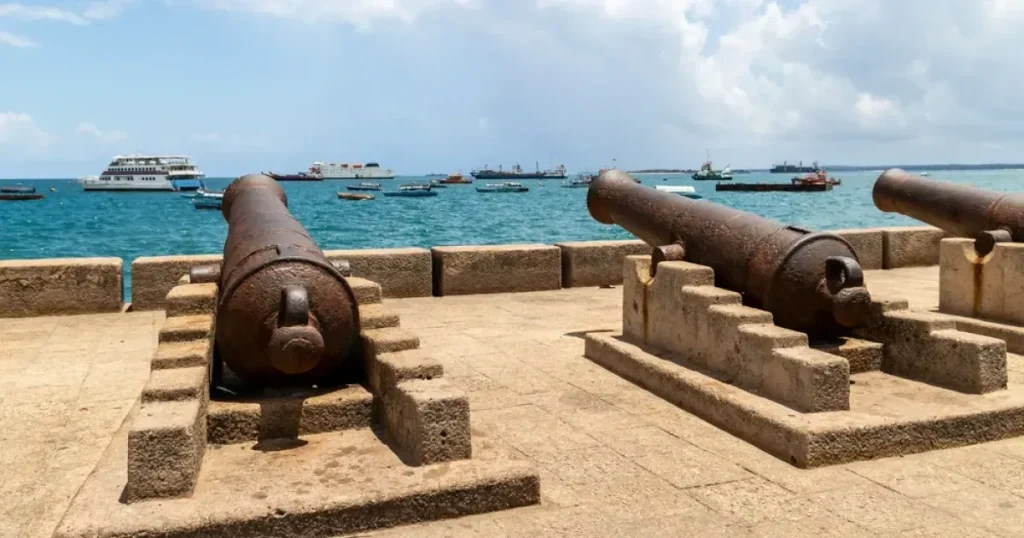
| Old fort and seafront | Walls and views, performers at dusk | Coastal defense, entertainment culture |
| Spice farm | Scents, soil under nails, laughter | Cash crops, trade, daily farm life |
| Palace or heritage house | Room by room time travel | Court life, trade politics, personal stories |
You can do three in a day, but two allows space to feel. Give yourself time to sit after each visit. A coffee, a tea, or a mango juice helps ideas settle.
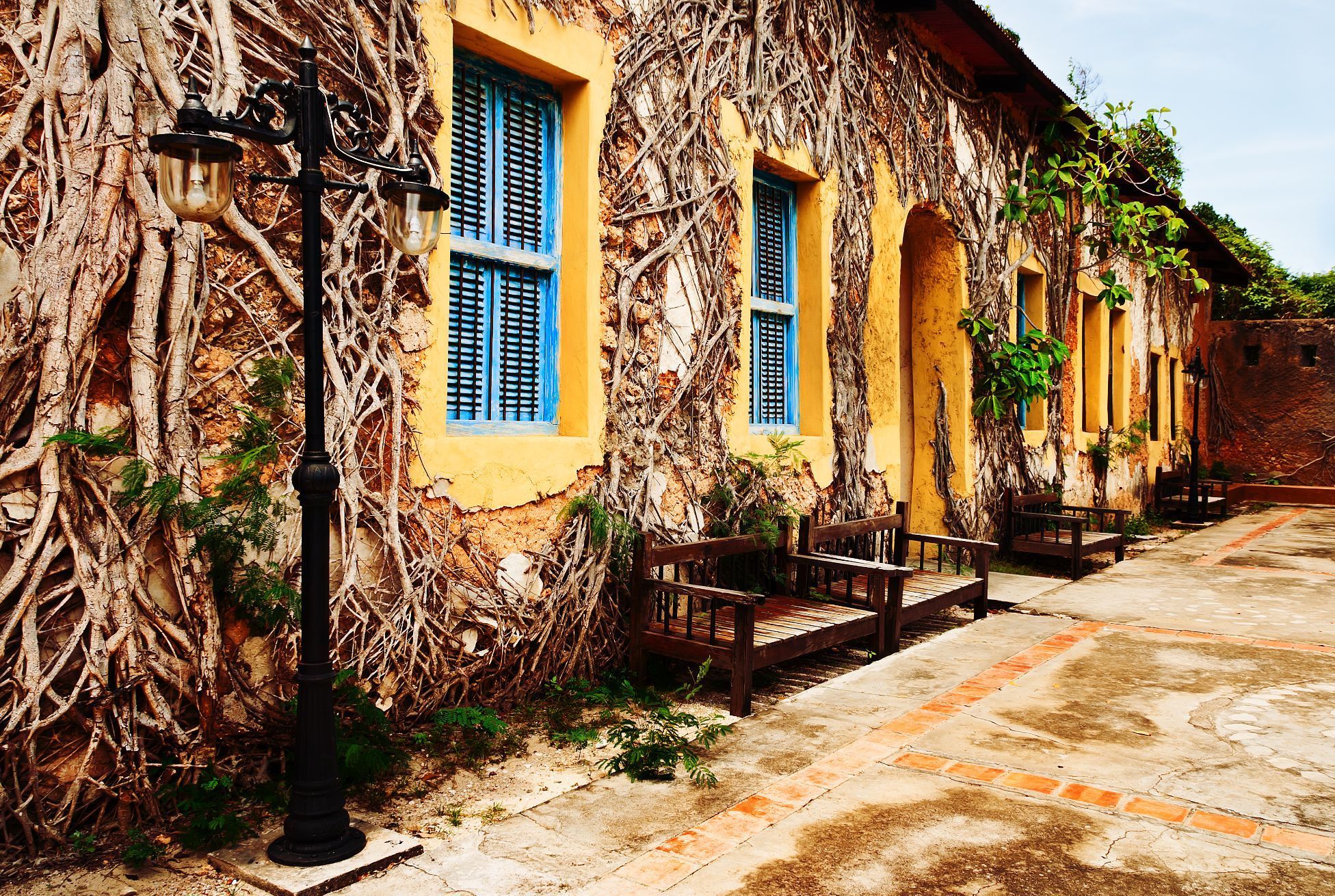
You may catch yourself falling for the beauty of carved balconies seconds after you stood in a place tied to pain.
That contrast can feel wrong. It is not. People here live fully with both memory and daily joy. You can do the same for a week. Hold room for grief, then laugh with kids at sunset on the seafront as they jump into the water. History does not demand that you freeze. It asks for presence and respect.
Food as a history lesson you can eat
Order a plate of octopus curry or pilau and you taste distance pulled close. Spices sailed here. So did cooking styles. A meal can teach faster than a timeline. Share a plate with someone, ask how their grandmother cooked rice, and you will get a history seminar in ten minutes. You will also get a second serving if you look hungry enough. Not a bad way to learn.
You can come any month and learn, though cooler and drier stretches help you walk more and think clearer. Early mornings give you the city at its softest.
Evenings deliver the social hour when history feels like background music under the street life. One day for museums. One day for lanes and doors. One day for spice and farms. Add an extra day to repeat your favorite pieces.
You want more than beaches, even if your hotel faces perfect water. You want a place where the past gives the present depth. You find that here.
You also find kindness, laughter, and a pace that slows the anxious part of your mind. History works best when paired with sunlight and conversation.
Zanzibar gives you that pair almost without effort, which is probably why you keep thinking about booking dates instead of reading more articles.
If this picture feels like the kind of learning you crave, let someone who knows these lanes guide you.
You walk, you listen, you taste, you pause. We pair sites that require quiet reflection with lighter moments, so you end the day informed and uplifted. Tell us you want History to be the focus, and we will shape a route that fits your pace and your curiosity.
Send a date range, share how much walking you enjoy, and we will reply with a clear plan that you can say yes to without worry.